

Birth Order Types
Birth order psychology extends far beyond the simple & oldest, middle, youngest framework most people know. Every child’s position within their family creates a unique psychological blueprint that influences personality, behaviour patterns, relationships, and life choices. Understanding your specific birth order type is the first step toward recognising why you think, feel, and act the way you do. This comprehensive guide explores 35 distinct birth order types that shape human development. From traditional sibling positions to modern family structures, physical characteristics to complex family situations, each type creates specific psychological patterns that last a lifetime. Recognising your type helps you understand your strengths, challenges, and the unconscious programming that drives your decisions.

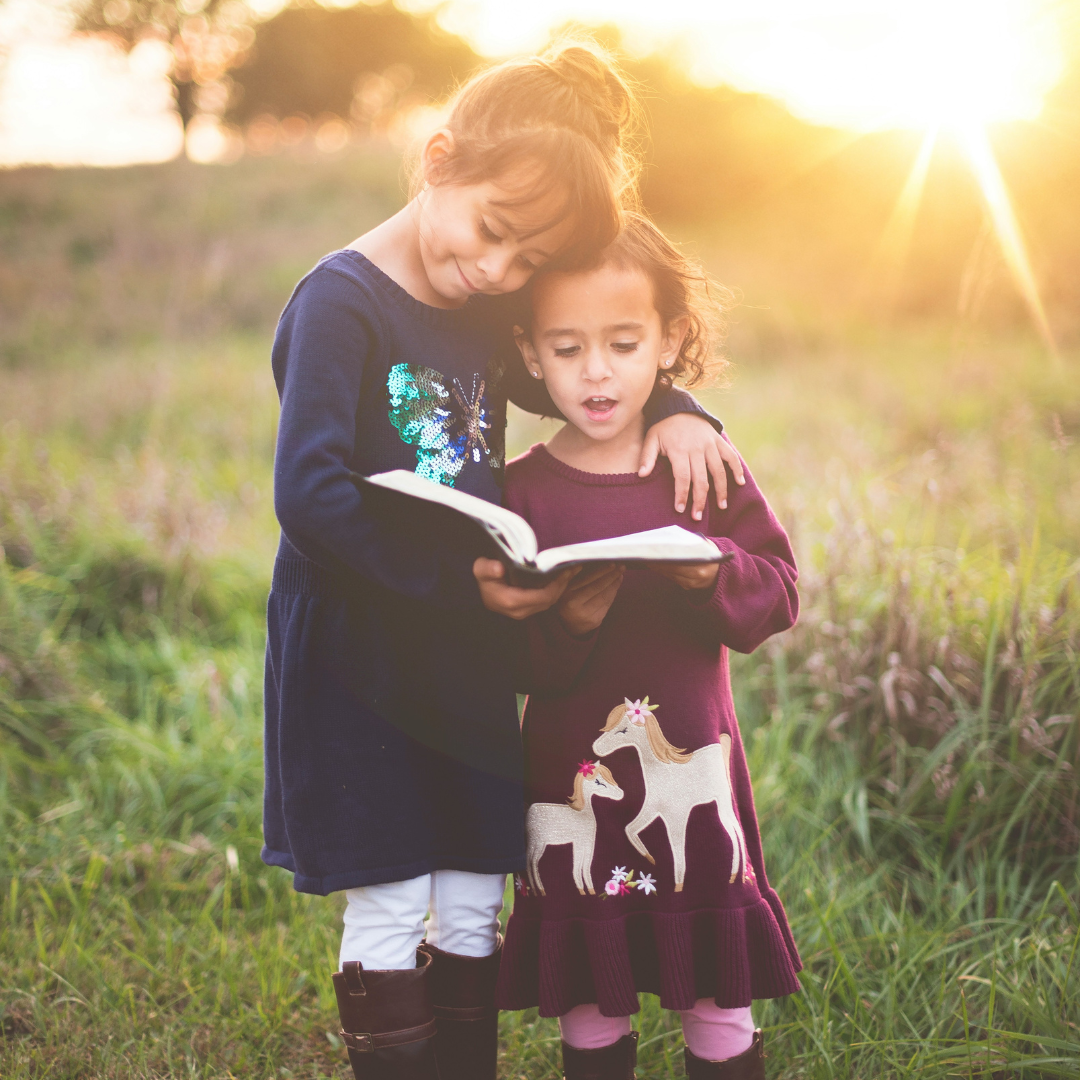
1. The Firstborn Child: The first child born to the biological mother.
2. The Second-born Child: The second child was born to the same biological mother.
3. The Middle-born Child: A child positioned between older and younger siblings from the
same biological mother, not first or last.
4. The Youngest Child: The last-born child to the same biological mother.
5. The Only Child: A child with no siblings, the sole offspring of a biological mother.
6. Twin Children: Two children born from the same pregnancy to the same biological
mother at approximately the same time.
7. One Girl Among Brothers: A female child who has two or more male siblings.
8. One Boy Among Sisters: A male child who has two or more female siblings.
9. The All-Boys Sibling Group: A family consisting entirely of male children born to the
same biological mother.
10. The All-Girls Sibling Group: A family consisting entirely of female children born to the
same biological mother.

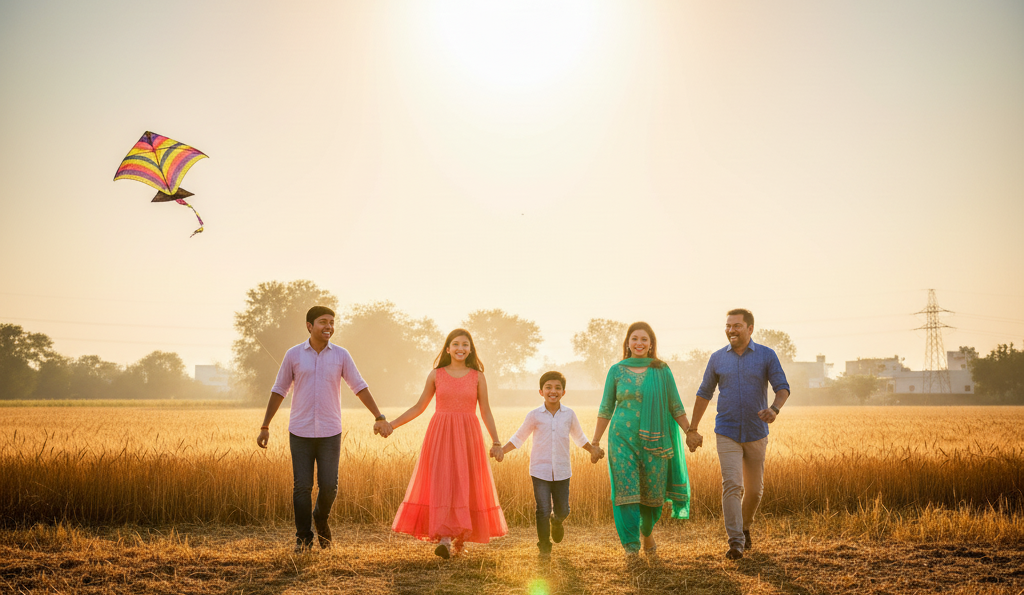
11. The Overweight Child: A child whose body weight is significantly above the average range for their age and height.
12. The Lean/Thin Child: A child with below-average body weight and a slender physical build.
13. The Below-Average Height Child (Short): A child whose height falls below the typical range for their age group.
14. The Above-Average Height Child (Tall): A child whose height exceeds the typical range for their age group.
15. The Adopted Child: A child legally taken into and raised by adoptive parents who are not their biological mother and father.
16. The Single-Parent Child: A child raised by only one biological parent.
17. The Grandparent-Raised Child: A child primarily raised by their biological grandparents rather than their biological mother and father.
18. The Mother-Loss-at-Birth Child: A child whose biological mother died during or shortly after childbirth.
19. The Guardian-Raised Child: A child raised by legal guardians who are not their biological mother and father.
20. The Institution-Raised Orphan Child: A child raised in an orphanage, children’s home, or institutional care facility.
21. The Joint-Family Child: A child raised in an extended family system with multiple generations living together.
22. The Step-Parent/Blended Family Child: A child living in a family structure that includes step-parents (non-biological parent through marriage) and/or step-siblings (non-biological siblings through parental remarriage).
23. The Special Needs Child: A child with physical, mental, emotional, or developmental conditions requiring specialised care and support.
24. The Survivor Child (After Attempted Abortion): A child who survived an attempted termination of pregnancy by their biological mother.
25. The Prenatal-Stress-Affected Child: A child is exposed to high levels of stress hormones during pregnancy while in the biological mother’s womb.
26. The Late-Life/Miracle Child: A child born to a biological mother at an advanced age or after fertility struggles.
27. The Trauma-Conceived Child: A child conceived during or as a result of traumatic circumstances affecting the biological mother, for example, rape or violence.
28. The Rainbow Child: A child born after the biological mother has experienced pregnancy loss, miscarriage, stillbirth, or infant death.
29. The IVF/Surrogate Child: A child conceived through in-vitro fertilization or carried and born by a surrogate mother (not the biological mother).
30. The Child of Divorced or Separated Parents: A child whose biological mother and father have legally ended their marriage or separated.
31. The Interfaith/Inter-caste Marriage Child: A child born to a biological mother and father from different religious faiths or social castes.
32. The Gifted or Exceptionally Talented Child: A child demonstrating abilities
significantly above average in intellectual or creative areas.
33. The Chronically Ill Child: A child with long-term medical conditions requires ongoing treatment and care.
34. The Refugee/Displaced Child: A child forced to leave their homeland due to war,
persecution, or natural disasters.
35. The Highly Sensitive Child: A child with heightened sensitivity to sensory, emotional, or environmental stimuli.
36. The Birth of Jesus Christ – The Virgin Birth: The Christian belief in Jesus being conceived by the Virgin Mary (his biological mother) through divine intervention without a human father.
37. The Immaculate Conception of Mother Mary: The Catholic doctrine that Mary (biological mother of Jesus) was conceived without original sin by her biological mother, Saint Anne.
38. Miraculous Births of Promise & Prophets Set Apart in the Bible: Biblical figures born through divine intervention to barren or elderly parents for special purposes: Isaac (son of Abraham and Sarah), John the Baptist (son of Zechariah and Elizabeth), Samuel (son of Hannah and Elkanah), Jeremiah (called from the womb), and Samson (son of Manoah and his wife).
39. Divine & Hybrid Births in Hinduism and World Myths: Births of divine avatars or demigods through the union of deities with humans: Rama and Krishna (avatars of Vishnu), Karna (son of Surya), Hercules (son of Zeus), Perseus (son of Zeus), and other mythological figures across cultures.
40. Buddha’s Miraculous Birth – The White Elephant Dream: The Buddhist account of Siddhartha Gautama’s (Buddha) birth, where his biological mother Queen Maya dreamed of a white elephant entering her womb before his miraculous conception.
41. Miraculous Births in Islam: Islamic accounts of divinely ordained births: Maryam (Mary, mother of Jesus), Isa (Jesus), Yahya (John the Baptist), and other blessed individuals in Islamic tradition.
42. Zoroaster and the Light-Born Prophets: Births associated with divine light or fire: Zoroaster (Zarathustra, founder of Zoroastrianism) and other prophets in Persian and related
traditions were born with supernatural light phenomena.
43. Indigenous and Tribal Miraculous Birth Stories: Sacred birth narratives involving spirits, totems, or supernatural elements in indigenous cultures.
44. Sons of God and Daughters of Men – The Nephilim (Genesis 6): Biblical reference to offspring of divine beings and human women, resulting in giants or mighty beings.
45. Strange Hybrids and Heroes in Global Mythologies: Mythological beings born from unions between gods, spirits, animals, and humans across world cultures, including bear-
human unions (Ungnyeo and Dangun in Korean mythology), swan-human marriages (swan maidens bearing children to human men), fox-spirit offspring (Chinese huli jing), snake- human children (Tatar Yuxa), and other shapeshifter lineages found in global folklore traditions.
These birth order types represent the complex reality of human development within family systems. Your birth order type isn’t destiny, but it is your psychological starting point – the foundation upon which your personality, relationships, and life patterns are built.
Understanding your specific type helps you:
● Recognise unconscious patterns that drive your behaviour
● Transform challenges into strengths
● Improve your relationships and communication
● Make conscious choices rather than automatic reactions
● Develop authentic success strategies aligned with your natural wiring.
Remember, many people identify with multiple types, as family situations often overlap. The
key is recognising which patterns resonate most strongly with your experience.
This overview only scratches the surface of each birth order type. For comprehensive insights, detailed psychological analysis, and practical transformation strategies for your specific type, explore our complete Birth Order Psychology eBook. Discover how your family position shaped who you are today – and how to consciously reshape who you’re becoming.
For those who always felt different—now with clarity and understanding.
Copyright © 2026. Margdarshan Guru. All rights reserved.